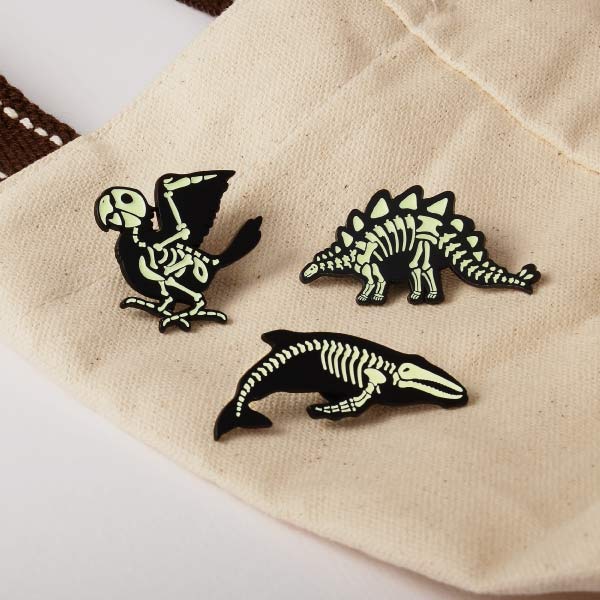
Unveiling the Production of Metal Medals: The Magical Journey from Design Sketch to Glorious Award
In various sports events, art awards, and many other occasions, shining metal medals are not only symbols of honor but also the crystallization of exquisite craftsmanship and design aesthetics. From the initial design sketch to the final delicate finished product, the production process of metal medals is full of professional techniques and craftsmanship. Let's explore this magical journey in depth today.
1. Design Conception: Imbuing the Medal with Soul
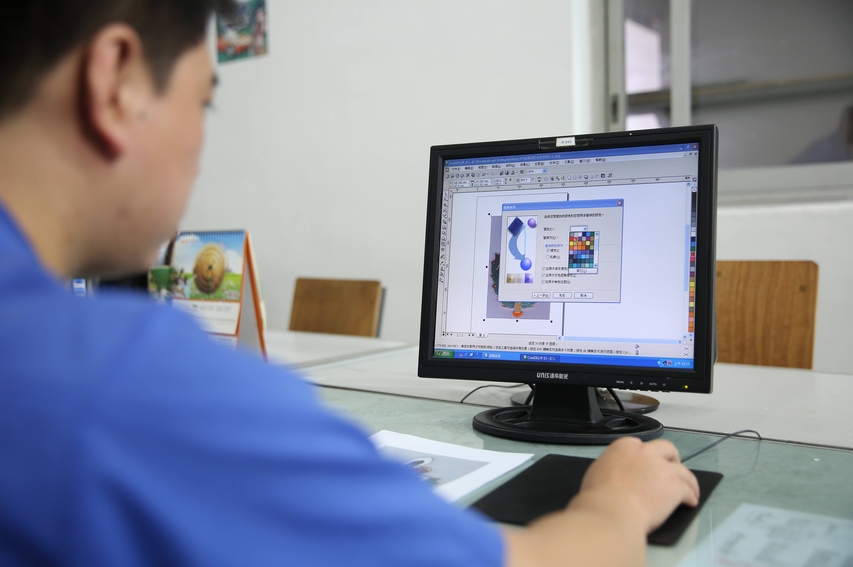
The design sketch marks the starting point of medal production. Designers need to fully consider elements such as the theme of the event, cultural connotations, and regional characteristics. For example, Olympic medals often incorporate unique cultural symbols of the host city and the spirit of the Olympics. During the design stage, professional computer-aided design (CAD) software like AutoCAD and 3ds Max is commonly used. Designers use these tools to transform their creative ideas into 2D design drawings or 3D models, precisely outlining the shape, patterns, inscriptions, and dimensions of the medal. When designing patterns, it's crucial to ensure smooth lines and a harmonious proportion, so that the design can reflect the theme while being aesthetically pleasing. Meanwhile, the font and layout of the inscriptions also require careful design to ensure clarity and consistency with the overall style.
2. Mold Making: Shaping the Embryo of the Medal
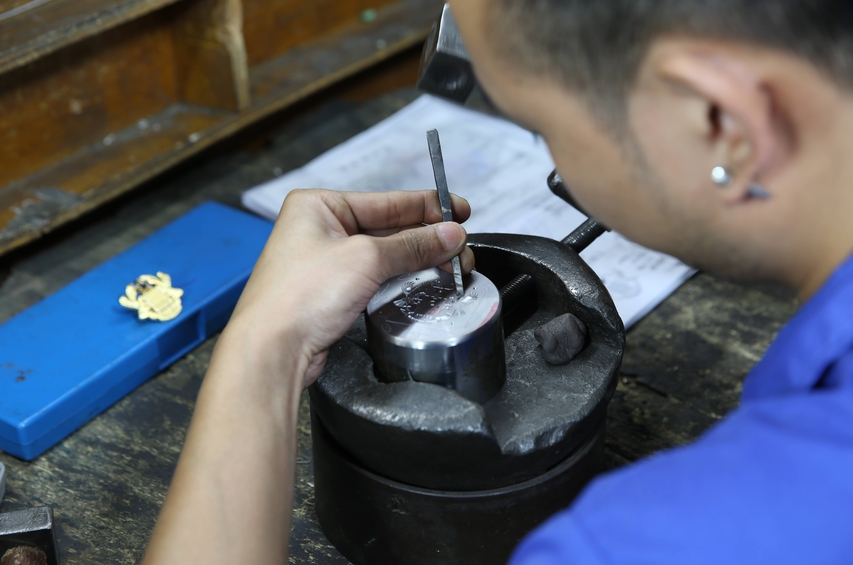
Once the design is complete, the process moves on to mold making, a key step that determines the final shape of the medal. Mold making usually employs CNC (Computer Numerical Control) engraving technology. The designed 3D model data is imported into a CNC engraving machine, which then uses high-precision cutting tools to carefully carve on metal or other mold materials, such as carbide alloys or copper alloys, according to pre-set programs. During the engraving process, parameters like the rotation speed of the cutting tool, feed rate, and cutting depth need to be strictly controlled to ensure the accuracy and surface quality of the mold. For complex patterns and details, multi-axis simultaneous engraving might be required to achieve a three-dimensional effect. After the mold is made, it undergoes strict inspections. Equipment like coordinate measuring machines is used to accurately measure the mold's dimensions and shape, ensuring they meet the design requirements.

3. Metal Melting and Casting: Giving Life to the Medal
(1) Metal Material Selection
Different types of medals use various metal materials. Gold medals usually adopt a gold-plating process, with the base material often being copper or zinc alloy, and a layer of pure gold plated on the surface. Silver medals mostly use silver with a purity of at least 92.5%. Bronze medals mainly consist of copper, with a small amount of zinc, tin, and other metals added to enhance hardness and wear resistance. When choosing materials, factors such as their physical and chemical properties, cost, and processability need to be considered.
(2) Melting and Casting
The selected metal materials are put into a furnace for melting. The temperature of the furnace is controlled according to the melting point of the metal to ensure the metal melts completely and reaches an appropriate fluidity. For instance, the melting point of pure copper is about 1083°C. When melting copper alloys, the temperature needs to be slightly higher and adjusted according to the alloy composition. After melting, the metal is poured into the mold for casting. Common casting methods include gravity casting and pressure casting. Gravity casting uses the metal liquid's own gravity to fill the mold cavity, while pressure casting forces the metal liquid into the mold cavity at high speed under high pressure. Compared with gravity casting, pressure casting can produce medals with more complex shapes and higher precision, and the internal structure is denser.
4. Processing and Treatment: Polishing the Medal's Radiance
(1) Preliminary Processing
The medal blank after casting has a rough surface and requires preliminary processing. First, mechanical processing methods like turning and milling are used to remove excess metal and make the medal's dimensions more accurate. Then, the medal is polished. Tools such as sandpaper and grinding wheels are used for rough and fine grinding to remove burrs, pits, and other defects on the surface, gradually making it smooth.
(2) Surface Treatment
To enhance the medal's beauty and durability, surface treatment is necessary. Common surface treatment processes include polishing, electroplating, and sandblasting. Polishing uses a polishing wheel and polishing compound to give the medal a mirror-like luster. Electroplating can deposit a layer of metal, such as gold or silver, on the medal's surface, not only improving its appearance but also providing corrosion resistance. Sandblasting uses high-pressure air to spray sand particles onto the medal's surface, creating a matte or frosted texture and giving the medal a unique visual effect.
5. Quality Inspection and Packaging: Creating the Perfect Medal
(1) Quality Inspection
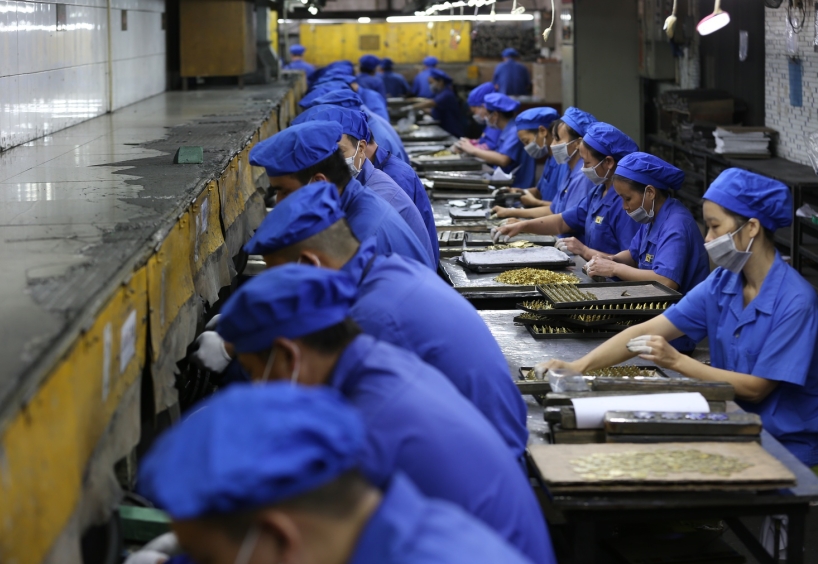
After the medal is made, it undergoes a comprehensive quality inspection. Visual inspection mainly checks for surface defects like scratches, dents, and color differences. Dimension inspection uses tools such as vernier calipers and micrometers to ensure the medal's diameter, thickness, and other dimensions meet the design requirements. Chemical composition analysis uses equipment like spectrometers to test whether the medal's metal composition is up to standard. For gold-plated medals, the thickness and adhesion of the plating layer are also tested to ensure it doesn't peel off easily.
(2) Packaging
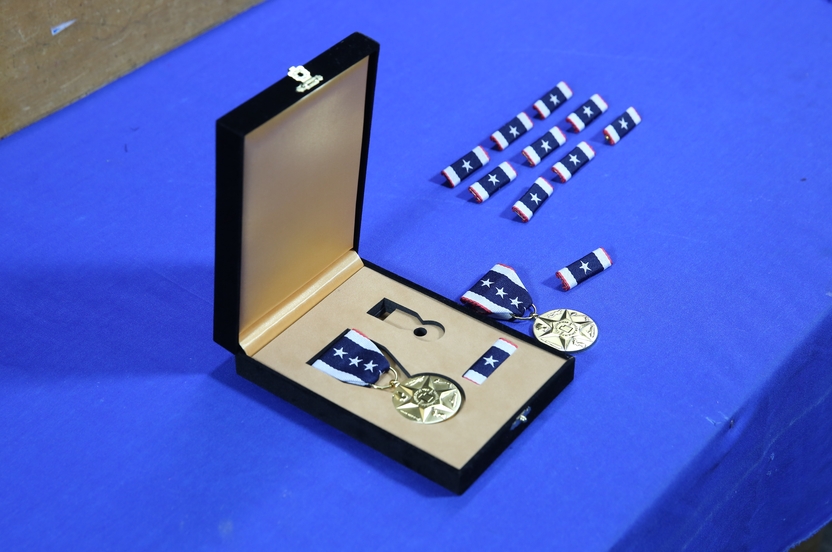
Qualified medals after strict inspection enter the final packaging stage. Appropriate packaging materials and methods are selected according to the medal's grade and purpose. Usually, exquisite gift boxes are used, with soft cushions inside to protect the medal from damage during transportation and storage. Relevant certificates and instructions are also included, making the medal a complete and collectible symbol of honor.
From the design sketch to a shining metal medal, every step involves the wisdom and hard work of designers, engineers, and craftsmen. It is these professional techniques and meticulous production processes that make medals not only bearers of honor but also exquisite works of art. The next time you see a medal, you may have a deeper understanding of the magical journey behind it.
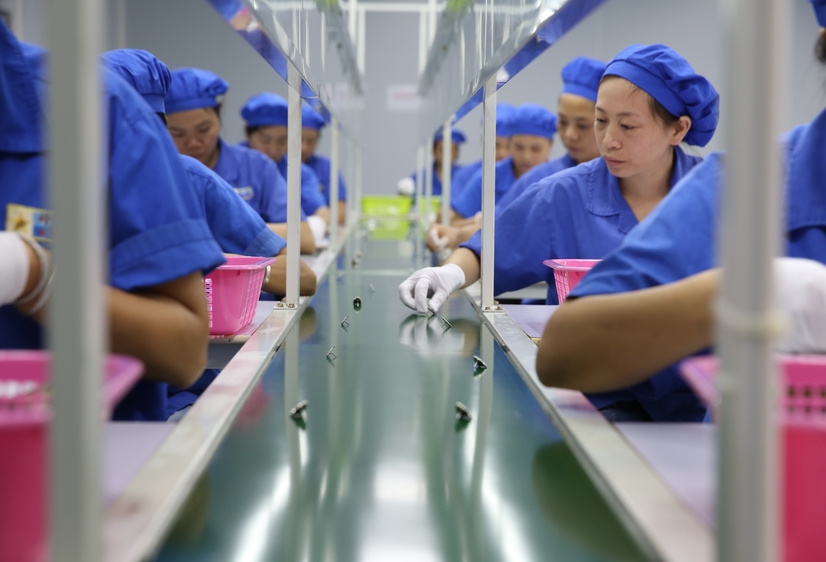

The above is the sharing of the production process of metal medals from design to completion. If you have any questions about a certain step or want to learn about the production of other handicrafts, feel free to let me know.
HAPPY GIFT: Precision Craftsmanship, Guaranteed Excellence
With over 40+ years of expertise in custom crafts, we transform visions into heirloom-quality crafts.
Why Choose Us?
✅ Disney-Certified Quality: Our factory holds Disney’s stringent manufacturing certification for over a decade.
✅ Artistry Meets Engineering: Complex designs demand skill—our master artisans optimize intricate details, advising on optimal techniques (e.g., enamel vs. printing) for flawless results.
✅ End-to-End Guidance: From mold creation to color matching, our team ensures every micron aligns with your vision.
First-Time Order? Let’s Simplify Your Journey!
Share your design ideas, and our specialists will guide you through:
Email: inquiry@hey-gift.com
WhatsApp: +86 18122811289
How to Choose Badge Materials? Uncover the "Hidden Tips" for Different Materials and Avoid Pitfalls in Customization!
New Trend in Badge Making: Can UV Printing Replace Baking Enamel Process?