
Beyond the Mundane: Practical Custom Packaging Tips & Pitfalls to Avoid in 2026
In today's consumer-driven era, packaging is no longer just a product's "outer shell"—it is the first tangible touchpoint where brands build emotional connections with users. Thanks to the rise of C2M (Customer-to-Manufacturer) models and agile supply chains, even startups can now access high-quality custom packaging at affordable costs. However, without careful attention to key details, customization can quickly become a costly "style over substance" mistake. Based on the latest industry trends and international quality standards, this guide offers actionable advice to help you navigate the custom packaging journey successfully.
Balancing Aesthetics and Functionality: 3 Core Considerations Before Customization
Before diving into design, it's crucial to recognize that packaging serves a multi-faceted role: product protection, information delivery, user experience enhancement, and brand identity reinforcement. As outlined in the Quality Control Guidelines for Custom Consumer Goods Design and Production, the design phase must closely align consumer expectations with manufacturing feasibility.
1. Precision in Dimensions & Tolerances
Accurate product measurement is non-negotiable. Always reserve a 2–3 mm tolerance to avoid overly tight fits that complicate packing or excessive looseness that causes product movement and damage during transit. For fragile or high-value items, custom inserts (e.g., EVA foam, flocked trays) are essential for shock absorption and secure positioning.
2. Material Selection: Balancing Quality and Cost
Different materials deliver vastly different results:
-
250gsm coated paper – ideal for high-resolution printing but has lower fold resistance.
-
300gsm white cardstock – rigid and premium, perfect for gift box outer shells.
-
Corrugated board (e.g., E-flute) – offers excellent compression strength and cushioning, measured by ECT (Edge Crush Test) values.
Evaluate your product's weight, shipping environment, and brand positioning to choose the most suitable substrate.
3. Smart Decoration: Less Is Often More
Techniques like heat transfer printing, UV printing, and embossing can instantly elevate perceived value. However, avoid over-embellishment. Focus on your logo and one or two key brand elements—industry data shows that targeted finishing boosts visual value perception by up to 70% , while excessive finishing often dilutes impact and increases costs unnecessarily.
On-the-Ground Best Practices: From Prototyping to Mass Production
Prototyping is your cheapest insurance against failure. Before committing to bulk orders, always request physical samples to verify structural integrity, color accuracy (especially critical for brand colors), tactile feel, and assembly ease. This step prevents the dreaded "render vs. reality" mismatch.
Beware the "Dimensional Weight" Trap. An aesthetically oversized package can significantly inflate shipping costs. Before finalizing dimensions, calculate both actual weight and dimensional weight (length × width × height ÷ dimensional factor) to determine the billable weight. Sometimes, reducing box height by just 1 cm or switching to lighter filler materials can lower your shipping tier and save substantial logistics costs.
Compliance and Sustainability Are Non-Negotiable. For regulated categories (food, cosmetics, children's products), ensure all mandatory labeling (ingredients, expiration dates, manufacturer details) is clearly displayed and legally compliant. At the same time, sustainability has shifted from a "nice-to-have" to a "must-have." Prioritize FSC-certified paper, minimize plastic use, and adopt recyclable structures. This not only aligns with global regulatory trends but also resonates with the growing eco-conscious consumer base.
Final Takeaway
Successful custom packaging is the art of striking a delicate equilibrium between visual appeal, cost control, and shipping reliability. By leveraging today's digital design tools, flexible production capabilities, and rigorous pre-production validation, your packaging can become a powerful silent salesperson—elevating your brand, protecting your product, and enhancing the unboxing experience at every step.
For international buyers, remember that clear communication of technical specifications (material grades, tolerance requirements, and testing standards) upfront will greatly streamline the supplier negotiation and production process.
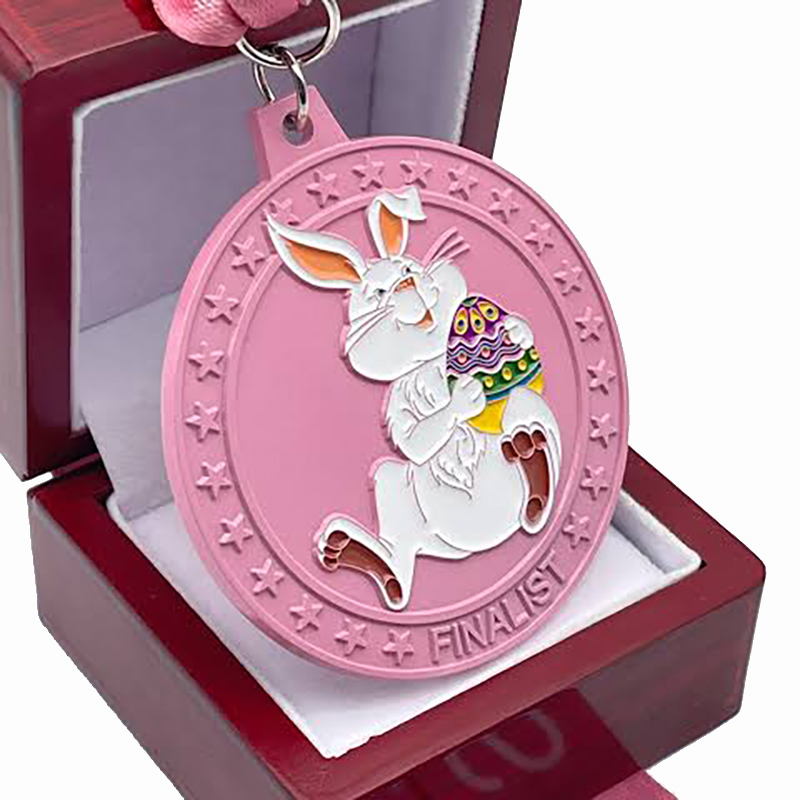

HAPPY GIFT: Precision Craftsmanship, Guaranteed Excellence
With over 40+ years of expertise in custom crafts, we transform visions into heirloom-quality crafts.
Why Choose Us?
✅ Disney-Certified Quality: Our factory holds Disney’s stringent manufacturing certification for over a decade.
✅ Artistry Meets Engineering: Complex designs demand skill—our master artisans optimize intricate details, advising on optimal techniques (e.g., enamel vs. printing) for flawless results.
✅ End-to-End Guidance: From mold creation to color matching, our team ensures every micron aligns with your vision.
First-Time Order? Let’s Simplify Your Journey!
Share your design ideas, and our specialists will guide you through:
Email: inquiry@hey-gift.com
WhatsApp: +86 18122811289
Global Gift Trends: From Price to Purpose – Customization, Sustainability, and Emotional Value
Custom Metal Keychains: Daily Brand Exposure That Lasts for Years
Related Article


